Multi-AI Systems
A curated path through cross-family multi-AI, ensemble review, AI coding pipelines, and monoculture risk.
Quick answer
Multi-AI systems use more than one model, model family, or specialized assistant to reduce blind spots, review work independently, and route tasks by strength instead of trusting one model as the only judge.
Best for
Start here if you are designing AI coding workflows, independent review loops, or cross-family model strategies.
Questions This Answers
- Why is one AI model not enough for high-stakes work?
- How do cross-family model reviews reduce correlated errors?
- When does multi-AI justify the added cost?
- How should teams build AI coding pipelines with independent review?
Articles

Three Cobblers, One Zhuge Liang: Making Cheaper Models Work Together
A personal AI architecture lesson from the Chinese saying 三个臭皮匠,顶个诸葛亮: why cheaper models fail on giant prompt blobs, and how focused specialist sessions, orchestration, synthesis, and temperature control can make them useful.

The 1+1 Hypothesis: Can You Break Coding Problems Small Enough for Any LLM?
Every LLM can do 100×100. Every coding LLM can rename a variable. But where does reliability break — and can harness engineering push that boundary? Exploring residual solution entropy, test-first contracts, layered defense architectures, and why blind consensus fails while verified search works.

Automation Without Intention Is Just Faster Chaos
Three failed pipeline architectures, a lesson about backpressure, and the UAT gate that finally made multi-AI vibe coding work. An experience-sharing post about what broke, what survived, and why knowing what you want matters more than the tools you use.
Why One AI Is Never Enough
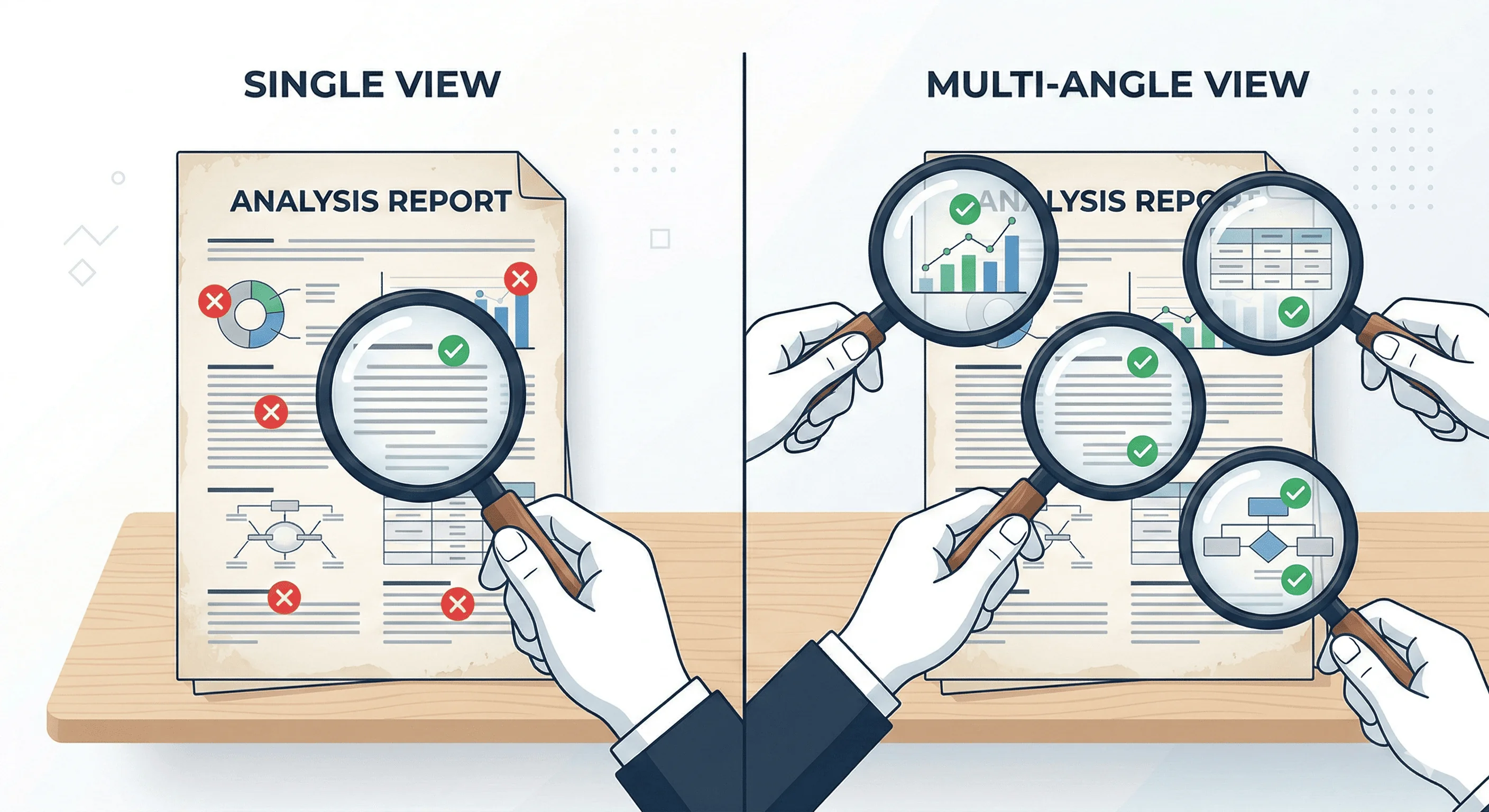
Every high-stakes profession requires independent review — medicine, law, science, finance. AI is one of the few domains where people skip this step. 37% of enterprises already use 5+ models, but most do it ad-hoc. Chapter 1 of Cross-Family Multi-AI.
The Science of Ensemble Intelligence
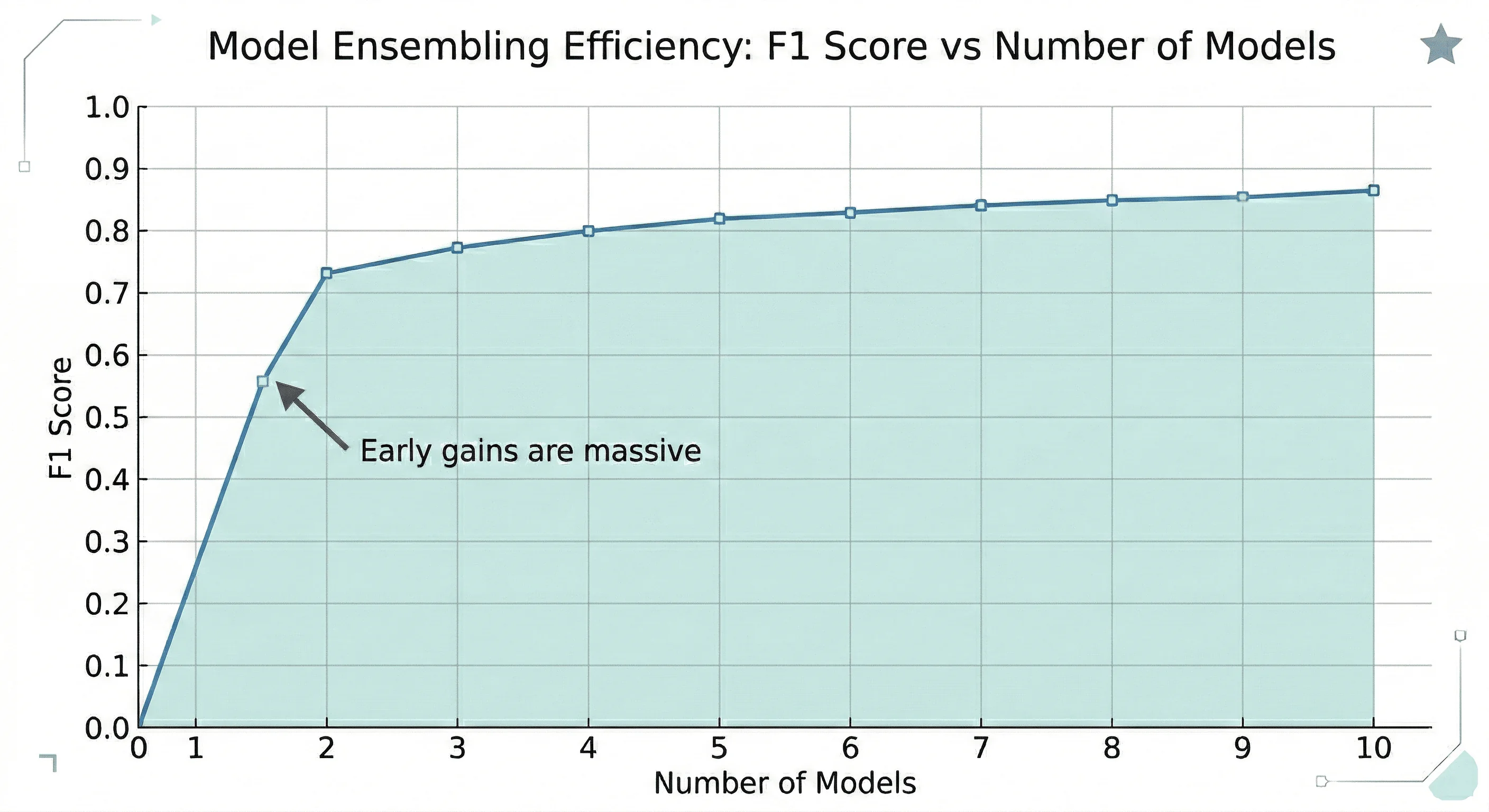
Wisdom of crowds meets AI: diverse LLM ensembles outperform 67% of individual models, F1 scores jump from 0.55 to 0.80+, and 56.9% of best solutions come from the weakest models. The math behind cross-family multi-AI. Chapter 2 of Cross-Family Multi-AI.
Industry Evidence — Healthcare, Finance, Legal, and Beyond
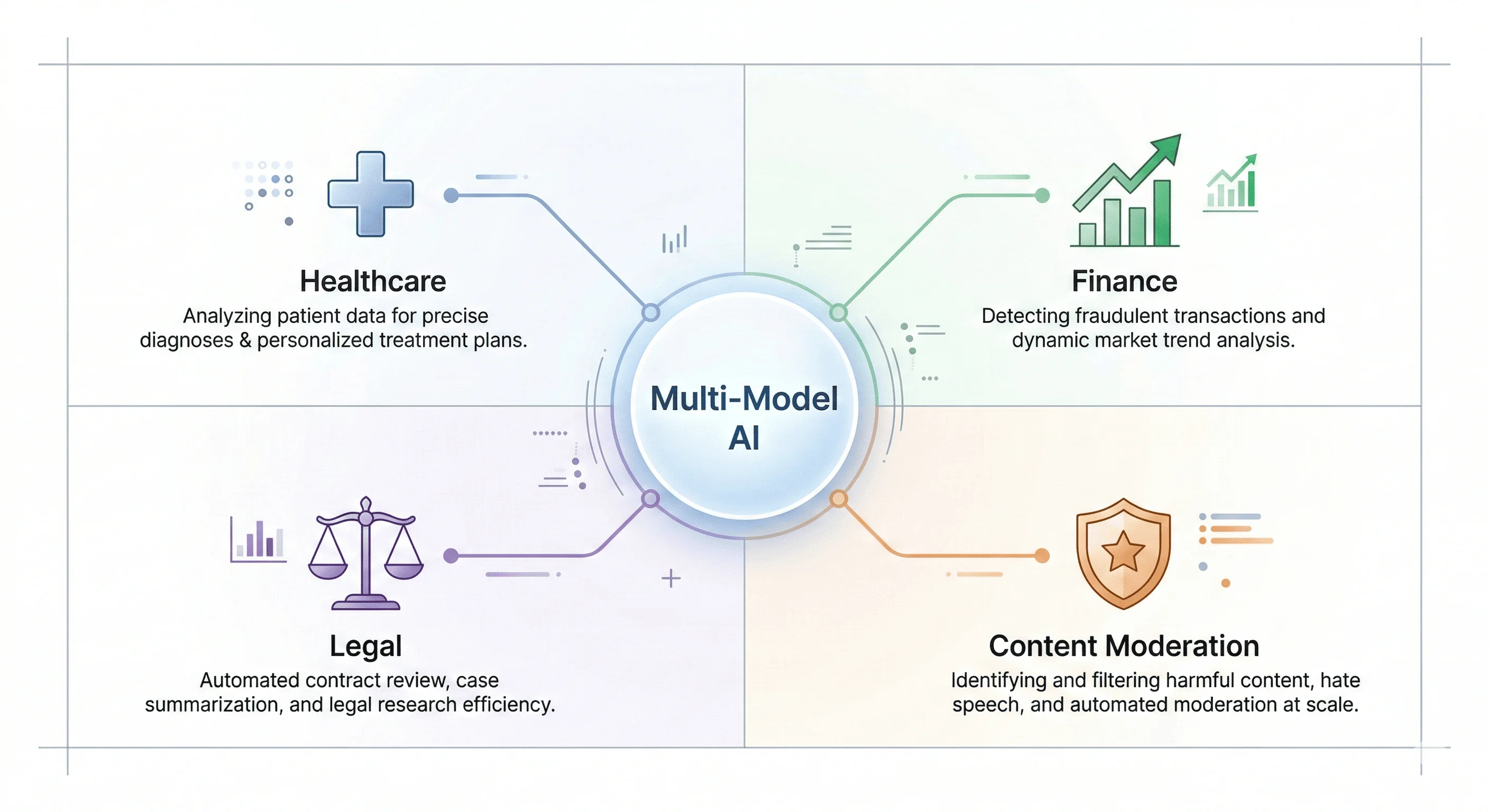
Multi-model AI is already mainstream in healthcare diagnostics, financial risk management, legal analysis, and content moderation. The evidence from four industries — and what it means for cross-family AI adoption. Chapter 3 of Cross-Family Multi-AI.
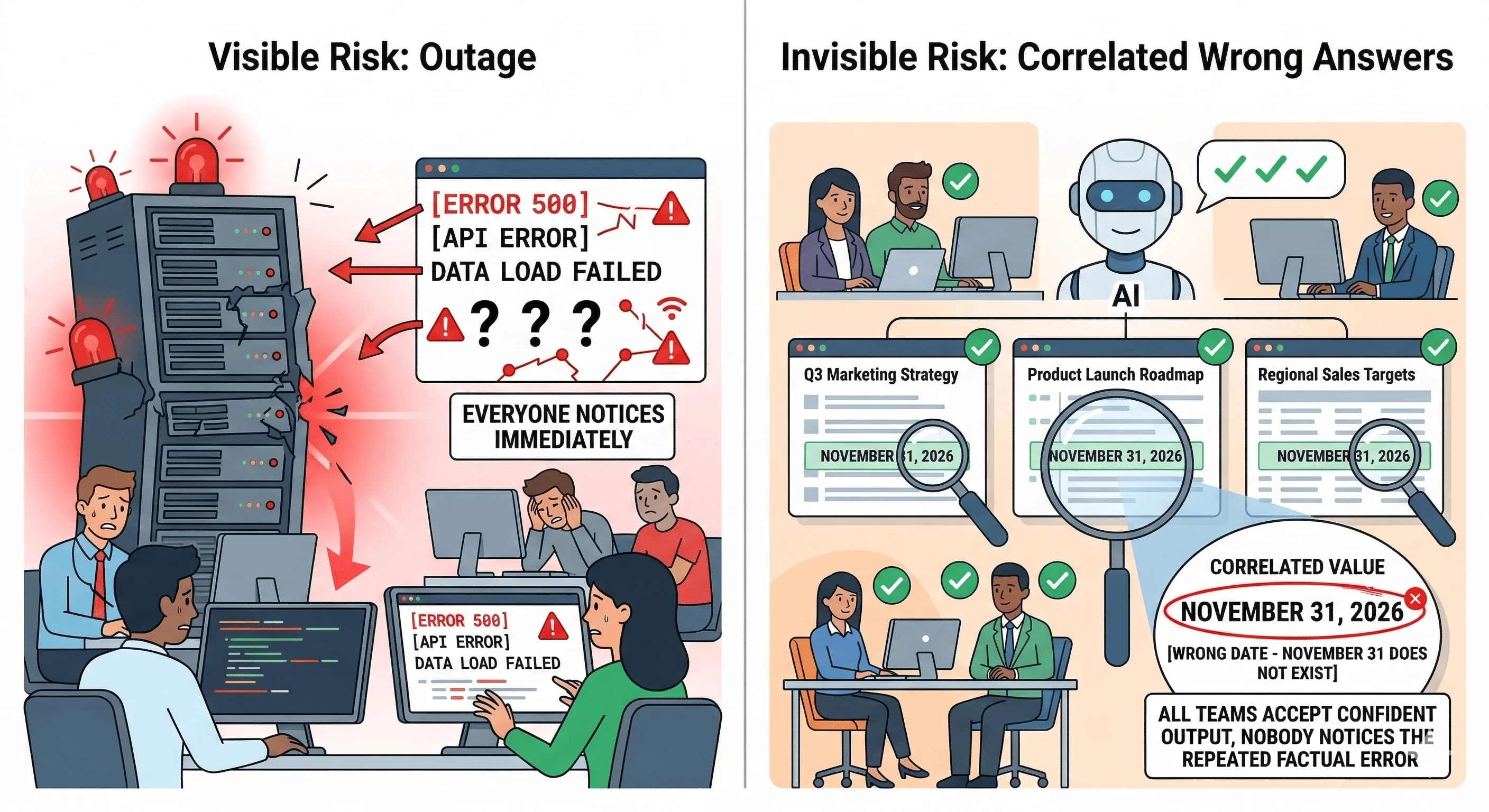
The Monoculture Risk — When Every AI Agrees on the Wrong Answer
The dangerous risk of single-AI dependency isn't outages. It's correlated wrong answers that nobody catches because nothing pushes back. When every team uses the same model family, the same blind spots propagate silently. Chapter 4 of Cross-Family Multi-AI.
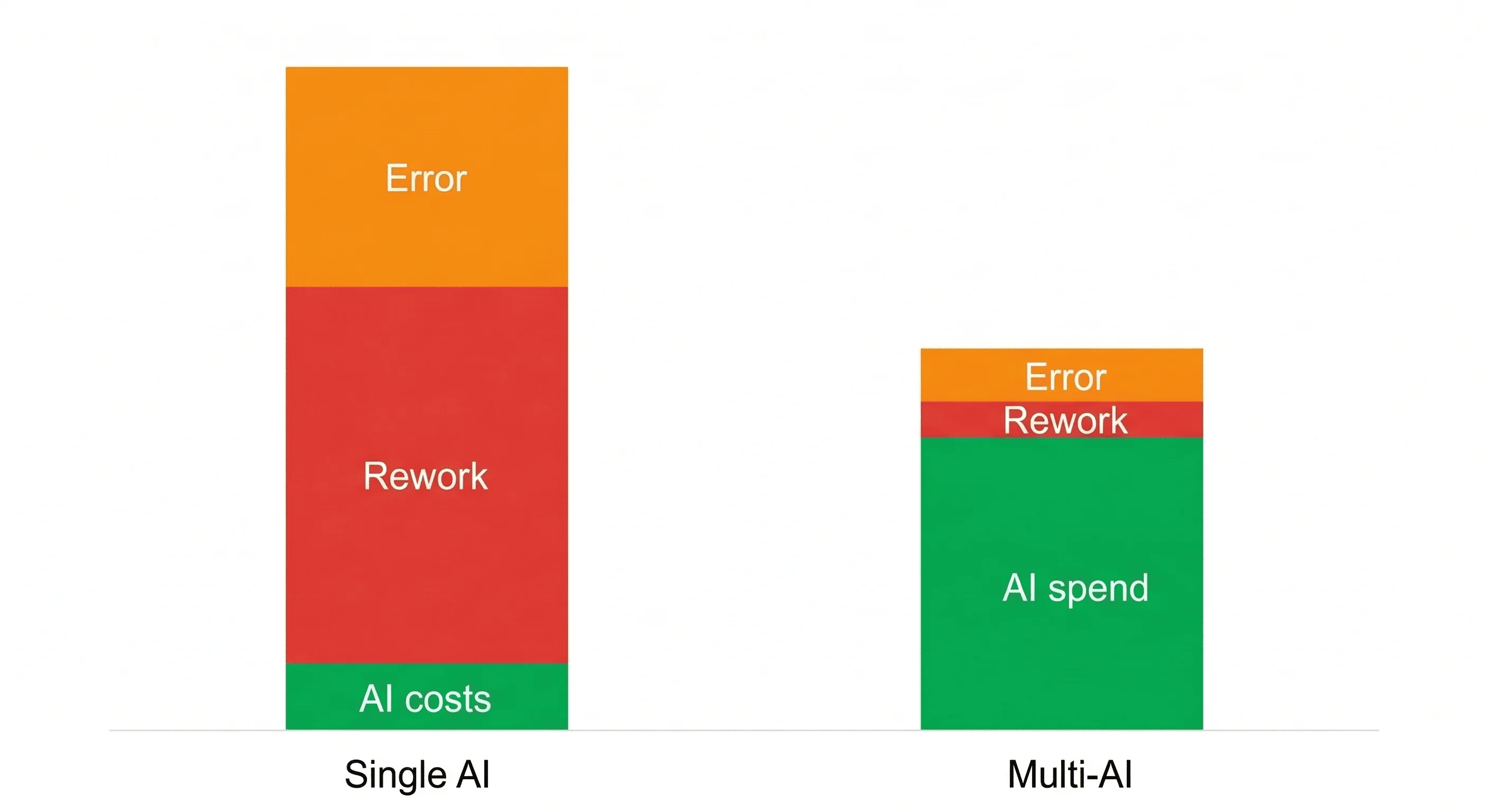
The Cost Question — When Multi-AI Pays for Itself
Multi-AI costs 3-4x more per token — but organizations lose 40% of AI productivity gains to rework. Execution order, task-appropriate scaling, and the 21x ROI gap between mature and immature AI practices. Chapter 5 of Cross-Family Multi-AI.
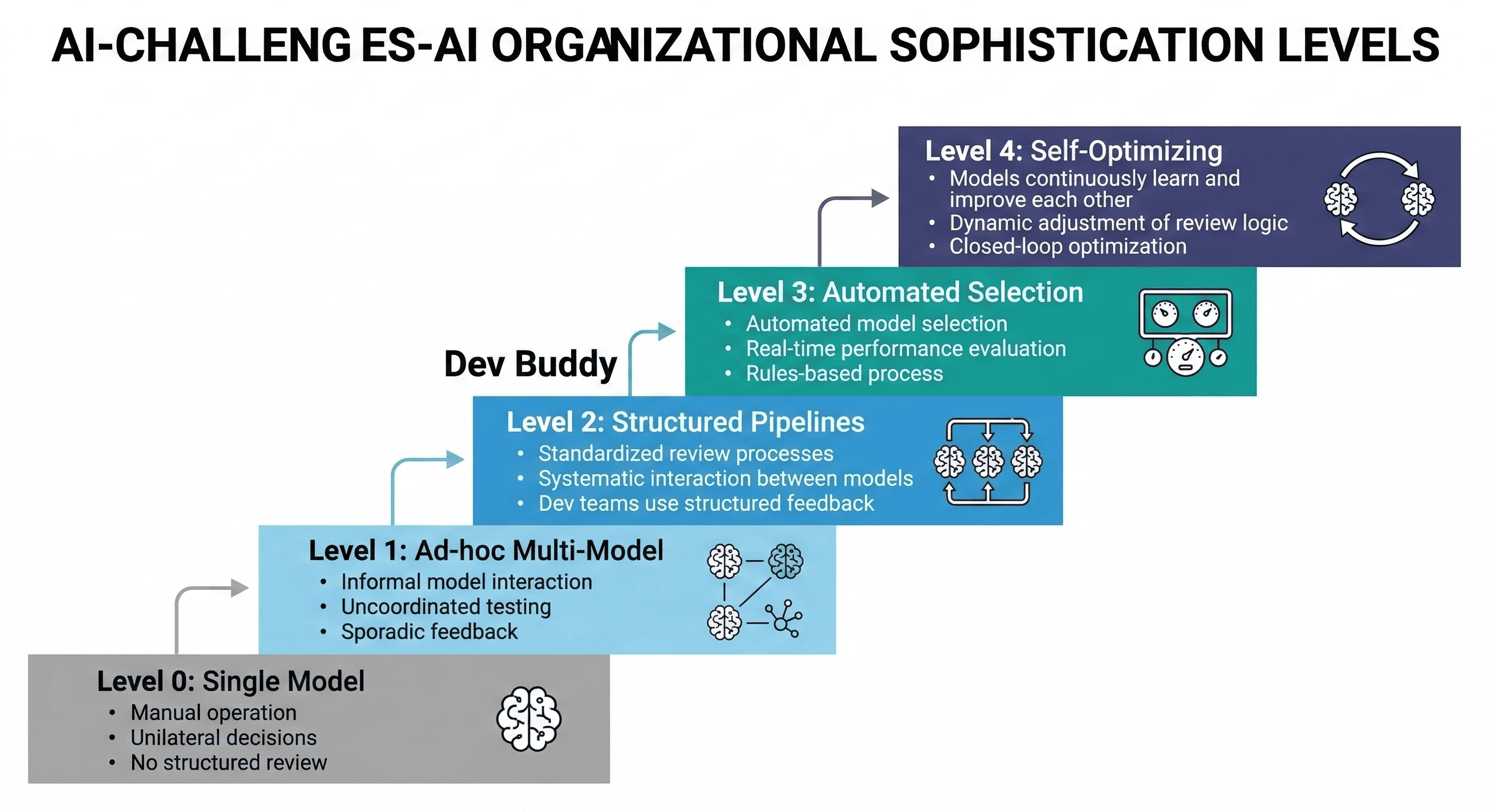
The Road Ahead — Building a Cross-Family AI Practice
A 5-level maturity model from single model to self-optimizing, practical next steps for individuals, teams, and enterprises, and an honest look at the evidence gaps that still need filling. Chapter 6 of Cross-Family Multi-AI.
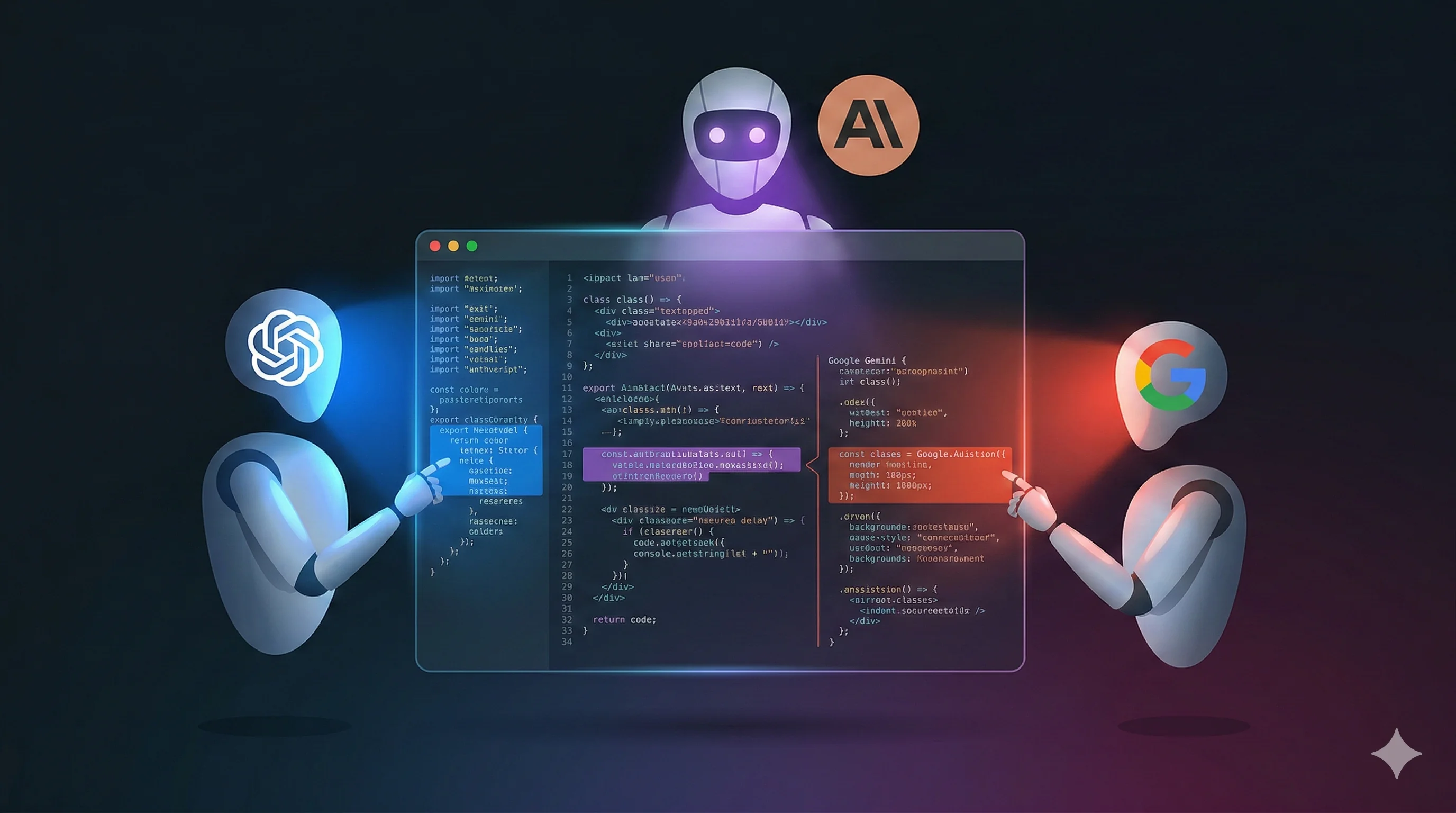
The Multi-AI Thesis
LLMs confirm their own answers over 90% of the time and have a 64.5% blind spot rate on their own errors. Cross-family multi-AI pipelines — Claude reviewing GPT reviewing Qwen — break the self-review ceiling. The research, the costs, and what actually works.

Dev Buddy: Multi-AI Development Pipelines for Claude Code
A step-by-step guide to Dev Buddy — an open-source Claude Code plugin that orchestrates multiple AI models through structured development pipelines with task-based enforcement, parallel specialist analysis, and automatic fix-and-re-review loops.
Projects
agentool
Vercel AI SDK tool suite with production-ready agent tools for file operations, shell execution, code search, web fetching, memory, and context compaction.
GitVibe
Maintainer-gated AI development pipeline for GitHub issues, discussions, labels, workflows, branches, and pull requests.